Playdead’s 2016 masterpiece Inside continues to dominate discussions about atmospheric puzzle‑platformers, thanks to its minimalist storytelling, haunting visuals, and a design philosophy that rewards curiosity while subtly warning against complacency.
What sets Inside apart from other indie titles?
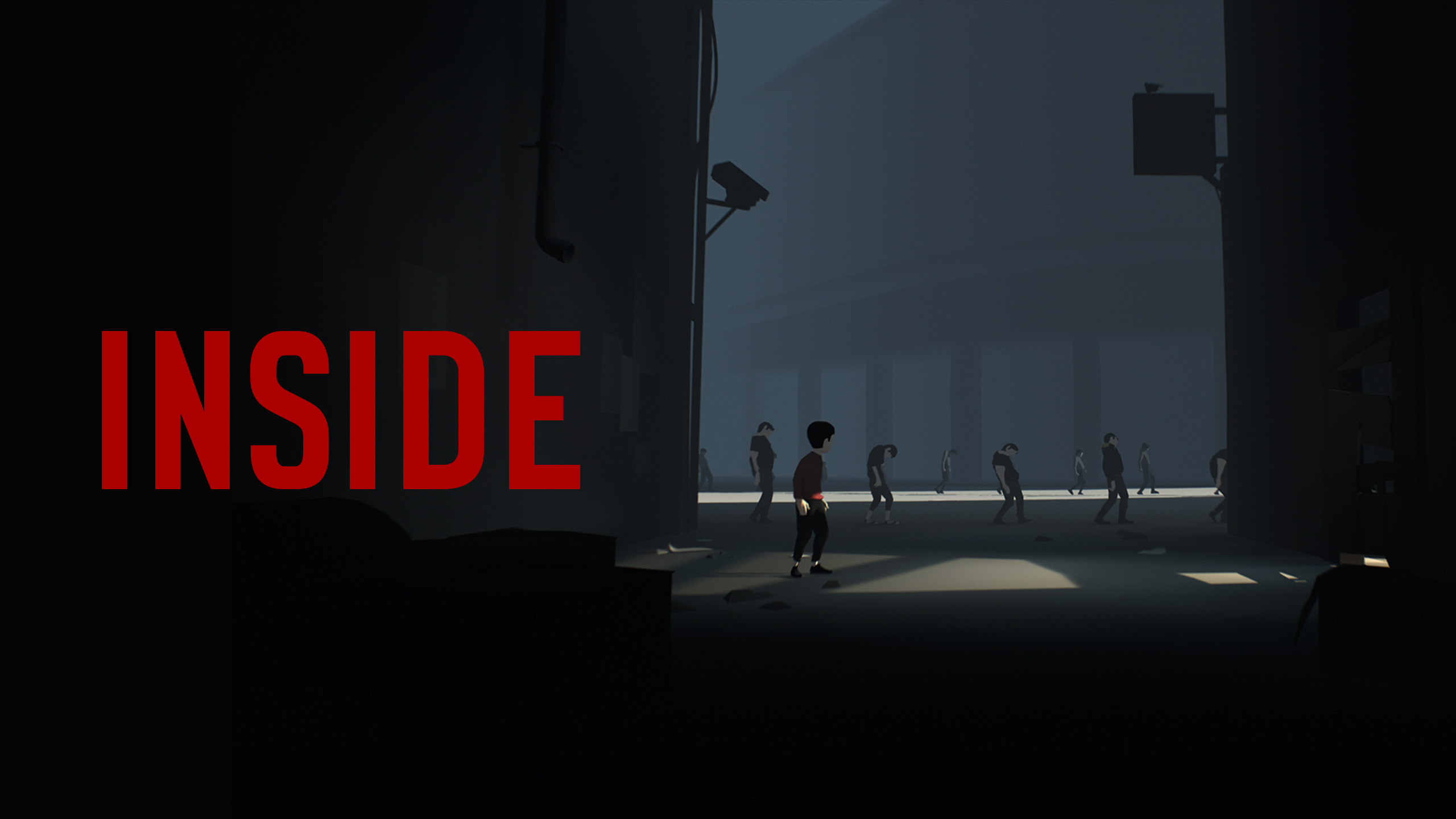
The game drops players into a bleak, monochrome world where every step feels deliberate. Unlike many narrative‑driven adventures, Inside tells its story without dialogue, relying on environmental cues and subtle animation to convey a sense of dread. This restraint lets researchers dissect each level’s composition, uncovering layers of meaning hidden in the background.
Design benefits for the detail‑oriented player
- Clear visual hierarchy: High‑contrast silhouettes make it easy to track the protagonist amidst complex machinery.
- Predictable physics: Objects obey consistent rules, allowing methodical experimentation without hidden variables.
- Modular level structure: Each segment can be studied in isolation, ideal for academic analysis of pacing and tension.
Potential pitfalls to watch
While the game's sparse guidance fosters discovery, it can also lead to frustration. Players accustomed to frequent checkpoints may find the limited save system punishing. Moreover, the intense atmosphere—marked by sudden spikes in sound and visual distortion—can be overwhelming for those sensitive to horror elements.
Context within Playdead’s portfolio
Following the critical success of Limbo, Playdead refined its signature aesthetic in Inside. The studio retained the silhouette art style but introduced richer textures and a more intricate sound design, signaling an evolution rather than a departure. Critics have noted that the game’s narrative ambiguity invites endless reinterpretation, a trait that keeps scholarly discourse alive years after release.
Impact on the indie gaming landscape
Since its launch, Inside has earned multiple awards for design and innovation, influencing a wave of developers who prioritize mood over exposition. Its success demonstrated that a modest budget—approximately €3 million—could compete with AAA titles in both sales and cultural relevance, encouraging funding bodies to back experimental projects.
Practical takeaways for researchers and designers
- Embrace negative space: The game shows how empty areas can amplify narrative weight.
- Iterate with constraints: Limiting resources forced Playdead to focus on core mechanics, a lesson for teams facing budgetary pressure.
- Gather player data: Community forums reveal how players solve puzzles, offering a rich dataset for cognitive studies.
Future outlook
Playdead has hinted at new projects, but no sequel to Inside is confirmed. Meanwhile, the title remains a staple on platforms like the Epic Games Store, where it continues to attract new audiences. For anyone studying interactive storytelling or game design methodology, Inside provides a compact, richly layered case study that balances artistic ambition with mechanical precision.
Inside Out Coloring Sheets Printable - King Printables

Inside Out Coloring Sheets Printable - King Printables
INSIDE Gameplay Walkthrough (XboxOne) - (FULL GAME) - YouTube
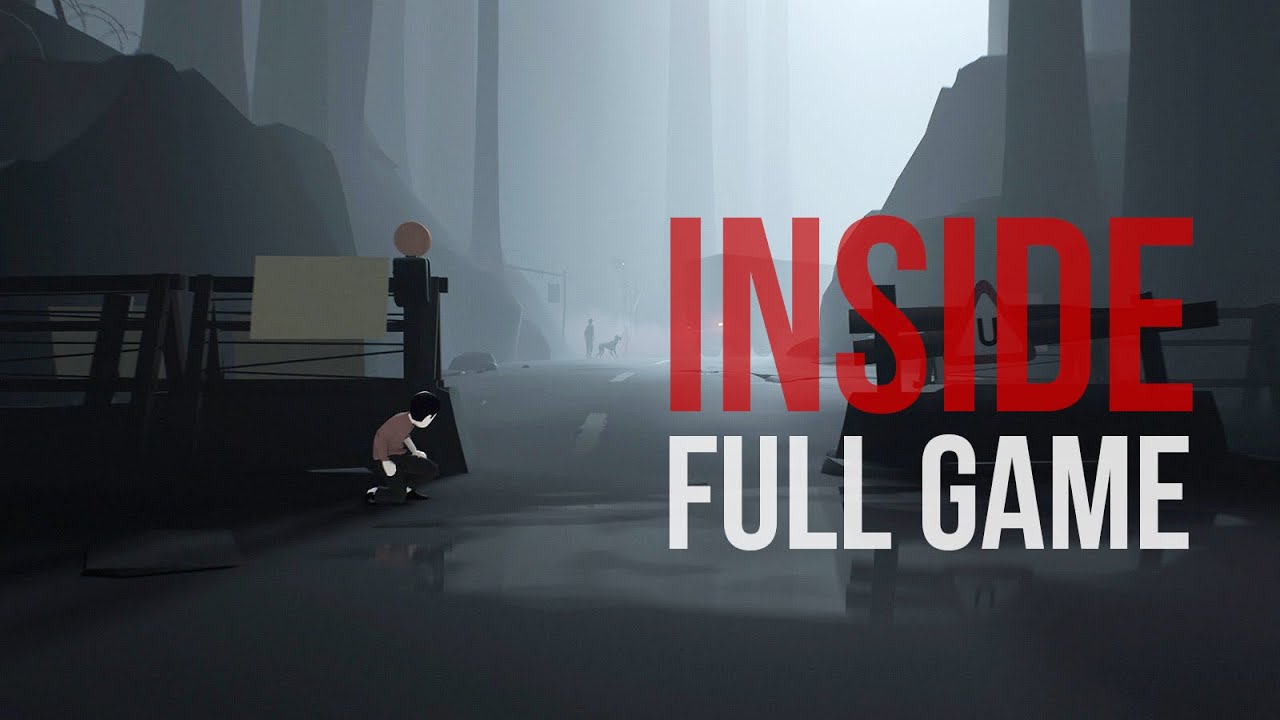
INSIDE Gameplay Walkthrough (XboxOne) - (FULL GAME) - YouTube
橫掃英國學院遊戲獎4大獎項的驚悚解謎遊戲《Inside》 - Roomie

橫掃英國學院遊戲獎4大獎項的驚悚解謎遊戲《Inside》 - Roomie
Inside Game Atmospheric Scene HD Wallpaper | 1920x1080 | Wallpaper Abyss
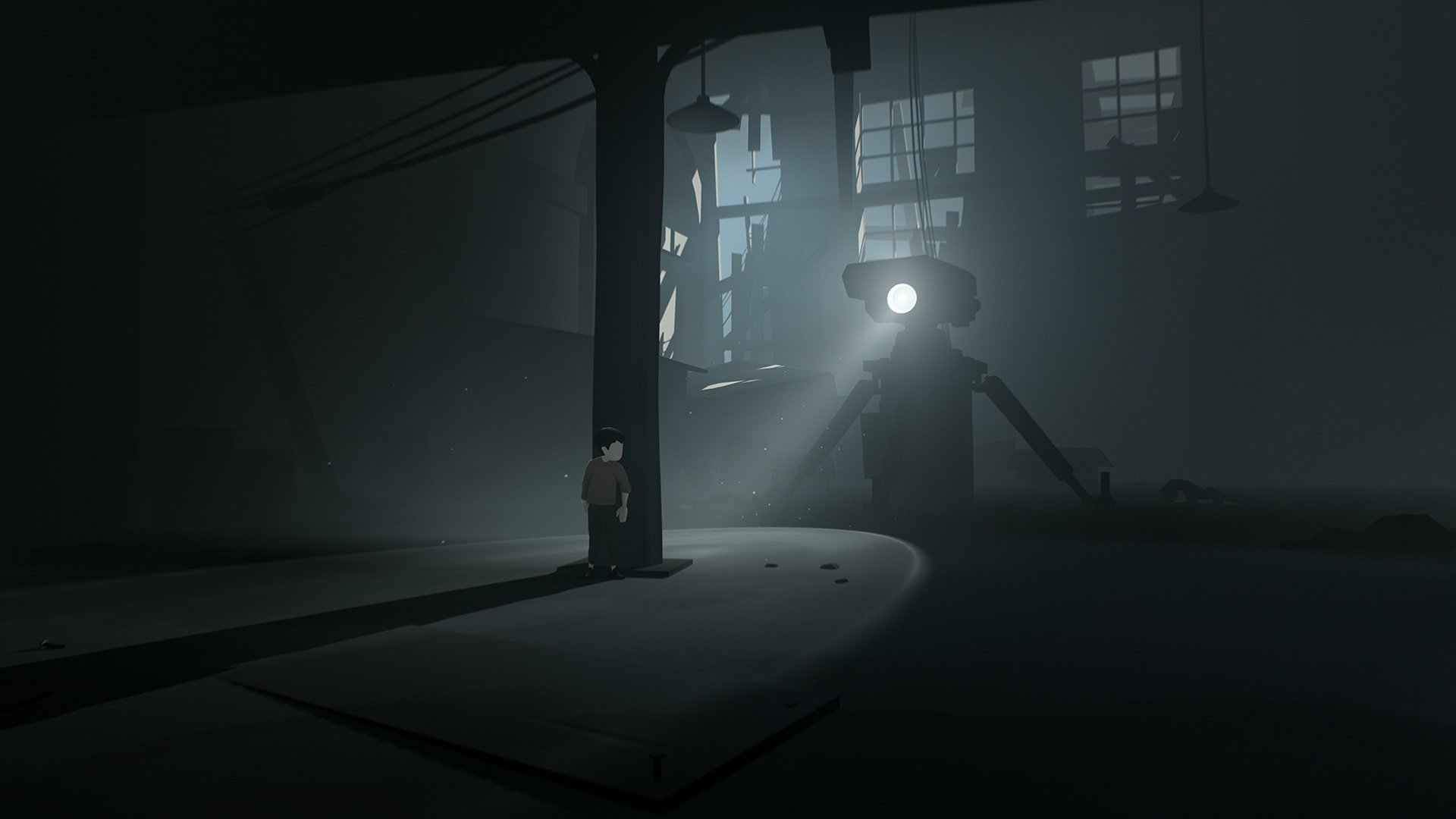
Inside Game Atmospheric Scene HD Wallpaper | 1920x1080 | Wallpaper Abyss